
Audio ground loops, EMI and a clean power supply: why electrical noise spoils your audio
Plug in a new synth, switch on your laptop or add an outboard unit to the signal chain. At that point, a hum appears that wasn’t there before. It could be an audio ground loop, electromagnetic interference or a problem with the power supply.
Many people immediately suspect a faulty cable or a noisy component. More often than not, however, the problem stems from the electrical environment of the setup. Grounding issues, power supplies, different sockets, cables that are too close together and an unstable mains supply can introduce noise into a signal chain that should remain silent.
The key point is this: not all noises have the same cause. And not all of them can be resolved in the same way. Distinguishing between ground loops, EMI and power supply noise is the first step towards understanding where to actually take action.
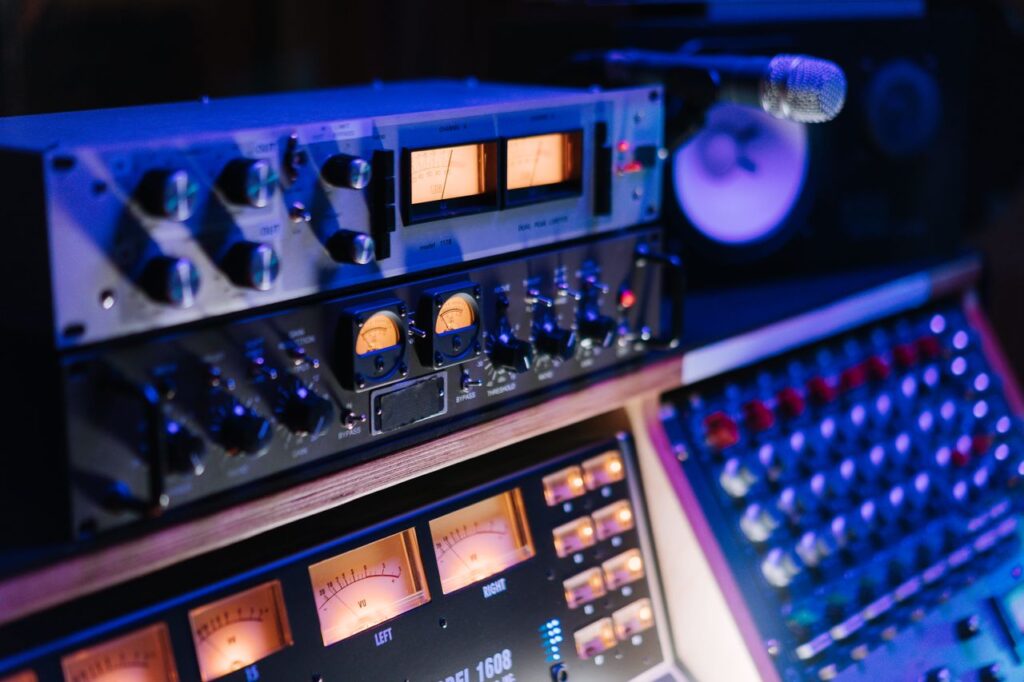
Audio ground loops, EMI and mains noise: the differences
Ground loop audio
An audio ground loop occurs when two or more interconnected devices follow different ground paths. In practice, this creates a ground loop. The most common symptom is a constant hum, often linked to the mains frequency and its harmonics.
This problem often arises when interfaces, monitors, computers, synthesisers and outboard equipment are added bit by bit without a clear plan for the electrical layout. The longer the signal chain becomes, the greater the risk.
Audio EMI
Audio EMI refers to electromagnetic interference. It can originate from switching power supplies, video monitors, USB hubs, routers, dimmable lights, battery chargers and other electronic devices in the room.
In this case, the noise takes on a different character. Instead of the classic hum, you may hear a buzz, hissing or varying types of noise. Sometimes the noise follows the movement of the mouse or the computer’s activity.
Mains supply disturbances
Then there is the issue of the mains supply. Voltage spikes, micro-fluctuations, poorly distributed loads or a ‘dirty’ mains supply do not always produce an obvious hum. However, they can worsen the system’s overall performance.
Sometimes you’ll notice a less clean background. At other times, you’ll notice greater instability or an unusual sensitivity to external disturbances.
How electrical noise actually manifests itself in the studio
Electrical audio noise does not always present itself in the same way. In some cases, you hear a constant hum as soon as you connect two specific pieces of kit. In others, a buzzing sound appears that gets louder when you move a power supply closer to an audio cable. Or it only appears when you plug your laptop into the mains.
There are also some very useful clues to help identify the cause. If the noise disappears when the laptop is running on battery power, that’s already a strong indication. A change brought about by moving a cable, on the other hand, suggests that the physical layout of the setup also plays a role. When the interference gets worse at certain times of the day, the quality of the mains supply may be a factor.
A steady hum often suggests a grounding issue. A fluctuating buzz is more likely to indicate EMI or switching noise.
Why these issues are more than just a minor detail
The first problem is obvious: the noise is annoying. The second, however, is more significant. When an audio chain operates in a noisy electrical environment, your judgements also become less reliable.
If you record a track with hum or interference, you’ll waste time editing and cleaning it up. If, on the other hand, the problem is mainly noticeable during listening, you risk misjudging the EQ, dynamics and balance of the mix.
That’s why a clean studio power supply isn’t just about protecting the mains. It’s also about the operational quality of your workflow. A studio with lower electrical noise helps you better understand what you’re listening to.
The most common mistakes in home and project studios
Many problems stem from a series of small, poor choices. The first mistake is powering the same audio chain from different sockets scattered around the room. Another frequent cause is the use of domestic power strips, cheap adaptors and power supplies crammed together haphazardly. Running audio and power cables side by side over long distances can also introduce interference.
Connections matter a great deal too. In a chain with multiple pieces of hardware, a single unbalanced point can introduce noise and complicate everything else. The same applies to makeshift adaptors and hybrid connections that are not managed carefully.
Another common mistake is looking for the solution in the wrong place. You might change a cable at random, turn down the gain or apply noise reduction in post-production. Sometimes the problem seems to lessen. In reality, however, the cause remains.
Practical diagnosis: understand first, then take action
When noise occurs, it’s best to simplify the signal chain. To check whether it’s an audio ground loop, start with the computer, interface and monitors. Then add one component at a time. If the fault occurs at a specific point, you’ve already narrowed it down considerably.
Next, check the power supply. Where possible, connect the audio devices to a more stable power source. Also carry out a simple test: run your laptop on battery power and see if the noise changes.
Next, examine the physical cabling. Where audio and power cables run alongside each other, separate them. At sensitive points in the chain, make use of any balanced connections available. Adapters and connectors, on the other hand, should be checked to ensure they do not introduce issues precisely where the signal is most vulnerable.
The correct approach is always the same. First, isolate the problem. Then, rectify what is wrong. Only then should you consider implementing a dedicated solution.
When an audio mains filter really makes sense
An audio mains filter is not a magic wand. It cannot, on its own, fix a poorly designed system. It is no substitute for proper cabling. And it does not automatically eliminate all noise.
That said, in many real-world set-ups, a studio power conditioning solution makes perfect sense. This is particularly the case when the system expands, when there are multiple devices constantly connected, when the domestic mains supply is unstable, or when you want to create a more organised and better-protected power distribution system.
The tangible benefit lies in a more controlled power supply, with fewer unnecessary variables and greater long-term reliability. This matters far more than it might seem, because a stable power supply ensures that everything else works better.
Not all set-ups require the same level of intervention. A small ‘in-the-box’ system can remain manageable even without dedicated solutions. The situation changes when outboard equipment, monitor controllers, converters, patchbays or multiple hardware sources come into play. From that point on, the power supply is no longer a minor detail. It becomes infrastructure.
Where does Teknosign fit into this picture?
It is precisely in this context that a product category such as Teknosign NB mains filters and power conditioners comes into its own. Not as a one-size-fits-all solution, nor as a commercial shortcut. Rather, as a practical solution for those who want to make their setup more organised, more stable and more reliable.
The point is not to promise miracles. The point is to help the system operate under better conditions. As a setup grows, proper power management ceases to be a mere afterthought. It becomes an integral part of the studio design.
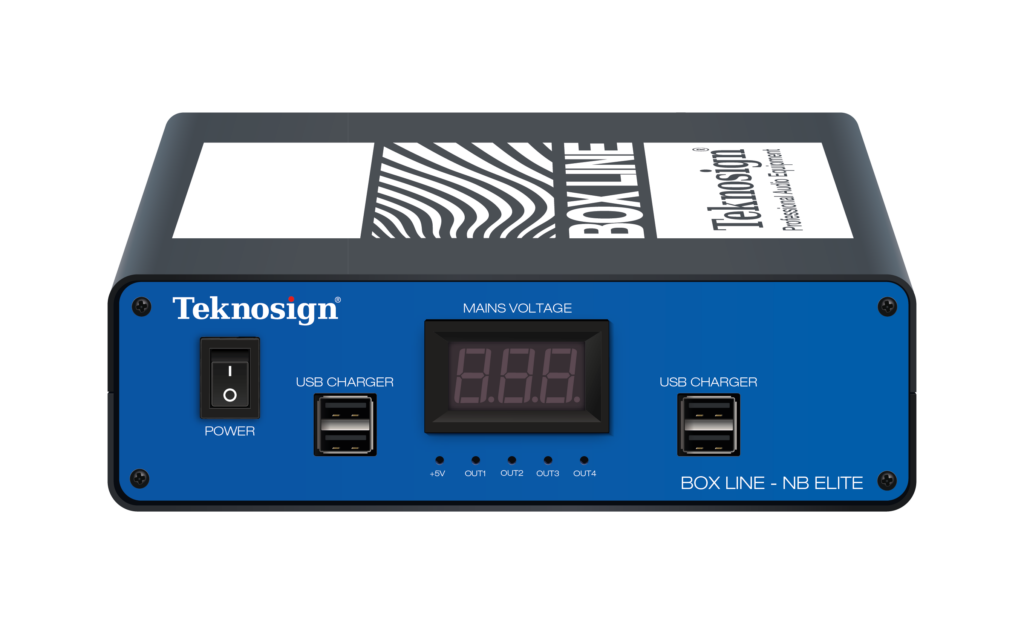
A clean electrical setup improves workflow
When planning a studio, it’s natural to focus on preamps, monitors, microphones, converters and outboard gear. However, the quality of the work also depends on what goes on behind the scenes.
A well-designed electrical distribution system does not replace the quality of individual pieces of equipment. However, it creates the right conditions for them to function properly. It reduces sources of noise, minimises critical variables and makes monitoring clearer.
For this reason, in many cases, talking about a clean studio power supply is not a matter of choice. It is about reliability, low noise and operational continuity.
Audio ground loops, EMI and power supply noise are among the most common causes of noise problems in the studio.
Recognise the symptoms. Isolate the cause. Tidy up your cabling and power distribution. Only then should you assess whether a filtering or power conditioning solution might be appropriate for your setup.
or email info@teknosign.it detailing your audio chain and the symptoms you’re experiencing: you’ll receive a more tailored technical assessment of the electrical noise issues in your studio.
Read also: First analog setup for a home studio: where to start